Amnesty flags Cambodian casinos tied to cybercrime and abuse
Amnesty International Cambodian casinos findings land at a tense moment for gaming groups working across Southeast Asia. The watchdog links 12 sites to cybercrime rings and forced labor, warning that permissive zones in Sihanoukville and beyond are fuelling scams that trap migrant workers. You care because these stories no longer stay local; regulators, banks, and players read them in real time. Reputational damage now travels faster than any compliance memo, and supply-chain exposure can cut off payments overnight. The report sketches a clear chain: lax oversight leads to trafficking, which leads to sanctions risk and higher operating costs. Why gamble your license on weak controls when the cost of stronger due diligence is predictable?
What to know now
- Amnesty International ties 12 Cambodian casinos to cybercrime compounds using forced labor.
- Reports cite detention, beatings, and ransom demands against workers moved across borders.
- Weak enforcement in special economic zones lets scam centers flourish inside or near casino properties.
- Payment partners and regulators are escalating scrutiny of operators linked to these hubs.
- Rapid remediation and public transparency reduce legal and commercial risk.
What Amnesty International’s Cambodian casinos findings signal
Look at the pattern: casinos inside special economic zones offer cover for online scam centers, letting trafficking networks recruit and detain workers. Banks and PSPs treat that link as a red flag because it mirrors past typologies from the UN and regional police. The fallout is not just fines. It is frozen merchant accounts and lost VIP business. One bad headline can read like a stadium with open gates, inviting anyone to rush the field.
Silence is not a strategy.
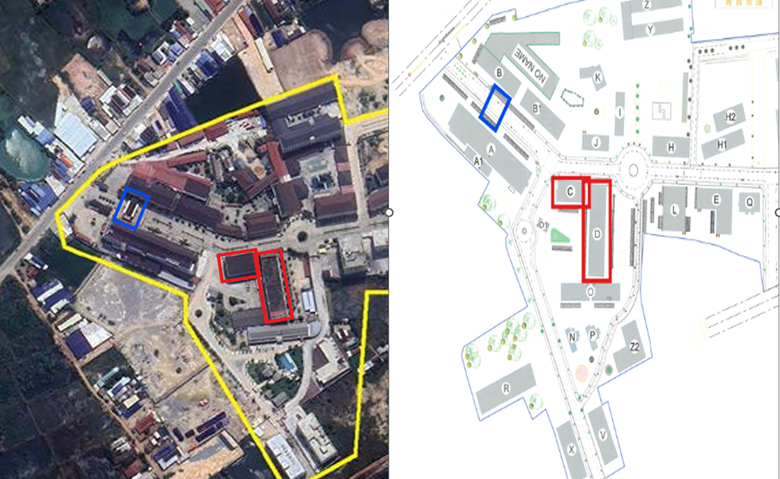
Amnesty International says 12 Cambodian casinos are linked to cybercrime compounds that force migrants to run scams under threat.
Amnesty International Cambodian casinos: steps for operators
Here are practical moves if you have exposure in Cambodia or neighboring hubs (even through affiliates):
- Map every site, lessor, and labor broker tied to your operations. Flag special economic zones first.
- Freeze relationships that cannot evidence clean hiring practices and independent worker access to passports.
- Run surprise third-party audits with worker interviews; publish a summary to lenders and PSPs.
- Escalate SARs/STRs on transactions linked to known scam compounds, and align with FATF guidance.
- Set a remediation clock: 30 days to fix, 60 to exit if partners fail checks.
Strengthen safeguards
Training must cover trafficking indicators, not just AML scripts. Tie manager bonuses to clean audits, not only to GGR. And if a landlord blocks worker access to consular support, walk away. Payments teams should geo-fence traffic from properties under investigation and monitor for mule account patterns that mirror pig-butchering scams.
Engage with regulators
File proactive updates with Cambodian gaming authorities and home-market regulators outlining your controls. Offer data-sharing with banks to reduce false positives while proving you are not a weak link. Remember how a soccer coach reshapes defense to cover an exposed flank? That is the level of urgency you need when trust is on the line.
Risk signals to watch
- Tenants or partners refusing independent labor interviews.
- Spike in chargebacks from romance or investment scam victims tied to your traffic sources.
- Property security blocking NGO access to staff housing.
- Requests to pay vendors through layered offshore entities without clear services.
Regulators are asking sharper questions. Are you?
Where this heads next
Expect closer cooperation between ASEAN law enforcement, PSPs, and civil society as cyber scam losses pile up. Cambodia has promised more raids, but enforcement often trails headlines. Operators that invest in transparent labor supply chains and publish audit outcomes will have a stronger hand when licensing renewals arrive. The smart move is to treat this moment as a compliance stress test before the next wave of sanctions risk appears.