Africa Safer Gambling Week Needs Real Operator Action
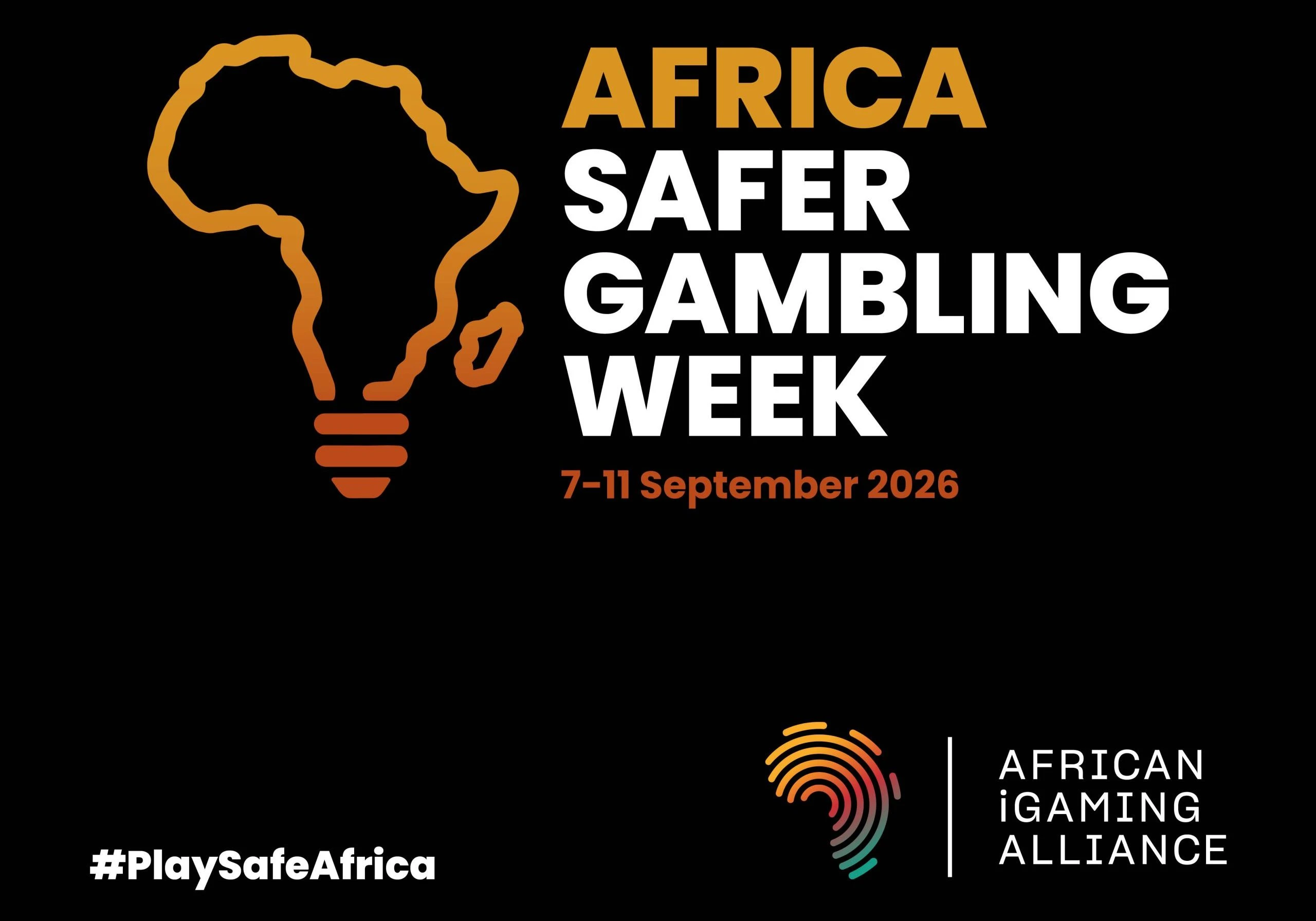
Many African betting markets are growing faster than their player protection systems. That gap matters because mobile betting, instant payments, and aggressive acquisition campaigns can put vulnerable players under pressure before regulators catch up. Africa Safer Gambling Week, backed by the Association of Igaming Africa and discussed by AIA CEO Peter Kesitilwe in iGaming Business, lands at a useful moment for the sector.
The issue is not whether operators support safer gambling in public. Most say they do. The harder question is whether they build limits, intervention tools, staff training, and affiliate controls into daily operations. If they do not, safer gambling becomes a poster on a wall, not a working system.
What Matters Now
- Africa Safer Gambling Week gives the industry a shared moment to set standards, not just promote slogans.
- Operators need practical tools such as deposit limits, time-outs, self-exclusion, and risk monitoring.
- Regulators across African markets face uneven resources, so industry cooperation matters.
- Affiliates and media partners should be held to the same responsible marketing rules as operators.
- Trust will become a commercial advantage as mature customers learn to spot careless brands.
Why Africa Safer Gambling Week Is More Than a Campaign
Safer gambling weeks can look ceremonial if the industry treats them as PR. A few social posts, a webinar, a logo swap, then back to normal. That would be a waste.
According to iGaming Business, Kesitilwe’s message centers on building awareness and stronger responsibility across African gambling markets. That is the right starting point, but awareness alone does not stop harm. Players need friction at the right time, and operators need processes that work even when no regulator is watching.
The real test is simple: does a customer at risk get help before the account becomes a crisis?
Look, I have covered gambling regulation long enough to know that voluntary action can be uneven. Some operators invest early because they understand brand risk. Others wait until enforcement, bad press, or payment trouble forces their hand.
That split is why Africa Safer Gambling Week should be treated like a pressure test.
What Operators Should Do During Africa Safer Gambling Week
A useful campaign should leave something behind. Not a press release. A change in the product, the customer journey, or the compliance file.
Operators should start with the controls players actually touch. If a deposit limit sits three menus deep and uses vague wording, it is not player protection. It is window dressing. The same goes for self-exclusion pages that require live chat, emails, or unnecessary delay.
Start with the product
- Make limits visible at registration. Give players clear deposit, loss, and session options before the first bet.
- Use plain language. Replace legal fog with direct copy, such as Set a weekly deposit limit.
- Flag risky patterns. Watch for late-night spikes, repeated failed deposits, rapid staking increases, and chasing behavior.
- Train support staff. A customer agent should know what to do when a player says they cannot stop.
- Audit affiliates. Bonus claims, influencer posts, and tipster content need the same standards as owned media.
Sports betting is a bit like running a kitchen during the dinner rush. Speed matters, but if nobody checks the heat, the whole place can burn. Operators love fast onboarding and fast deposits. Fine. But speed without guardrails creates avoidable risk.
The Regulatory Gap Africa Safer Gambling Week Must Address
African gambling regulation is not one market with one rulebook. South Africa, Kenya, Nigeria, Ghana, and other jurisdictions have different licensing models, enforcement capacity, tax rules, and advertising standards. That patchwork makes consistent safer gambling harder.
But uneven regulation is not an excuse for weak practice. Serious operators already know the basic direction of travel. Age verification, anti-money laundering checks, responsible marketing, and player protection are becoming non-negotiable in regulated markets worldwide. The UK Gambling Commission, Malta Gaming Authority, and several European regulators have pushed operators toward stronger customer risk monitoring. African regulators will not copy those models line by line, but the direction is clear.
What should regulators ask for first? In my view, not a giant rulebook that nobody can enforce. Start with a narrow set of measurable duties.
- Clear age and identity checks before withdrawal, and ideally before gambling begins.
- Mandatory self-exclusion tools that apply across each licensed operator’s channels.
- Advertising rules that ban misleading bonus language and targeting of minors.
- Regular reporting on complaints, exclusions, high-risk play, and intervention outcomes.
- Penalties for operators that outsource reckless promotion to affiliates.
That last point deserves attention. Affiliates can drive valuable traffic, but they can also become the dirty back door of compliance. If an operator would not put a claim on its own homepage, it should not tolerate that claim in a paid review, Telegram group, or influencer video.
How Operators Can Measure Safer Gambling Without Spin
The industry loves vanity metrics. Number of posts published. Number of webinar attendees. Number of employees who clicked through training. Those figures can help, but they do not prove that players are safer.
Better measurement asks harder questions. Are more players setting voluntary limits? Are interventions happening earlier? Are high-risk accounts slowing down after contact? Are excluded players blocked from reopening accounts with small changes to personal details?
Useful safer gambling metrics
- Percentage of active customers with deposit or loss limits.
- Average time between risk trigger and operator intervention.
- Share of interventions that lead to reduced staking, time-outs, or self-exclusion.
- Repeat contact rates from customers showing signs of gambling harm.
- Affiliate breach counts and time taken to remove non-compliant content.
These numbers are less flattering than campaign reach, but they tell management what is actually happening. And they give regulators something concrete to review.
What Players Should Expect From Responsible Brands
Players should not have to become compliance experts to find a safer operator. The signs are usually visible. A responsible betting brand makes limits easy to set, explains bonus terms clearly, verifies age, responds seriously to distress, and does not bury help links in tiny footer text.
If you use betting apps, ask a few practical questions. Can you set a limit in under a minute? Can you take a break without arguing with support? Does the brand explain odds and bonus terms in language you understand? Would you feel comfortable asking for help through its customer service channel?
If the answer is no, that tells you plenty.
Where AIA’s Push Could Have the Biggest Impact
The Association of Igaming Africa sits in a useful position because it can convene operators, suppliers, regulators, and service providers. That matters in markets where regulation may be developing faster in some areas than others. Trade groups cannot replace law, but they can raise the floor.
Kesitilwe’s comments to iGaming Business point toward a broader industry role for AIA during Africa Safer Gambling Week. The best version of that role would be practical. Shared training materials, model advertising standards, common reporting templates, and public commitments that members can be judged against.
Honestly, the sector does not need more vague promises. It needs boring operational discipline. Compliance teams know this already, and product teams should hear it more often.
The Next Test for Africa Safer Gambling Week
Africa Safer Gambling Week can become a credible annual benchmark if it pushes operators to publish what changed after the campaign. New limit tools. Faster self-exclusion. Cleaner affiliate rules. Better staff training. Those are visible steps.
The African betting market has room to grow, but growth without player protection invites backlash. The brands that move first will not only reduce harm. They will look more trustworthy when regulators, banks, and customers start asking sharper questions.
Here is the practical next step: operators should pick three measurable safer gambling upgrades before the next campaign cycle and report progress publicly. Who wants to be first?